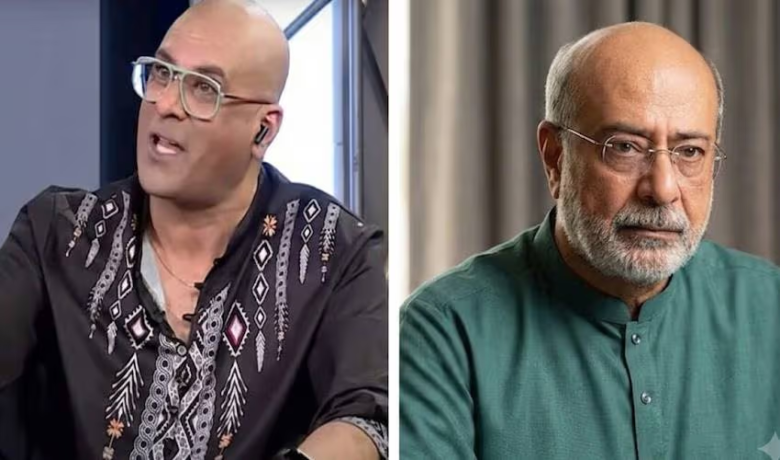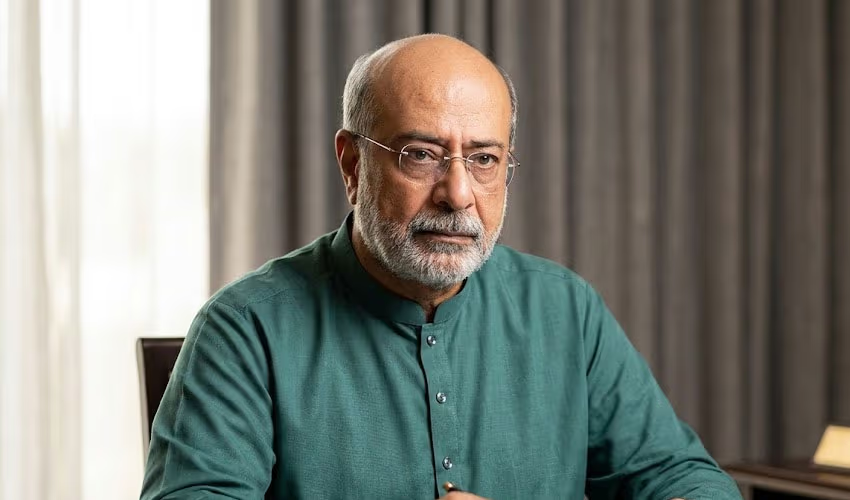
Veteran Pakistani actor and writer Syed Mohammed Ahmed has raised concerns over the growing use of artificial intelligence (AI) in the country’s television drama industry, claiming that some writers are using AI tools to create complete drama serial scripts.
Speaking on Sheeba Khan’s Dareecha podcast, Ahmed said that artificial intelligence is changing the way scripts are being developed but warned that excessive dependence on AI could affect originality, cultural connection, and the authenticity of Pakistani storytelling.
The experienced writer claimed that some writers are now producing entire 26-episode drama serials with the help of AI tools. He questioned how multiple lengthy projects can be completed within a short period, saying that quality writing requires significant time, creativity, and personal understanding of human emotions.
Ahmed shared that it takes him around 10 to 11 months to write a quality drama and suggested that producing several complete scripts simultaneously is difficult without technological assistance.
According to the veteran writer, AI-generated scripts often lack the cultural details, language patterns, and social behaviors that make Pakistani dramas relatable to audiences. He said artificial intelligence may generate dialogue, but it still struggles to understand the emotional depth and everyday interactions found in local communities.
He emphasized that storytelling is not only about creating conversations between characters but also about capturing traditions, relationships, social issues, and cultural realities. Ahmed believes these elements require human experience and observation.
The writer also criticized some producers for making significant changes to original scripts in an effort to increase ratings and create viral content. He recalled an experience from one of his own projects, where he had completed 17 episodes but was later asked to remove everything after the 11th episode.
Ahmed said writers often lose control over their creative work after submitting scripts for production. He claimed that when producers do not fully understand a writer’s vision, they sometimes make changes without considering the original direction of the story.
Discussing AI-assisted writing, Ahmed said some scripts contain unnatural dialogue because they do not accurately represent Pakistani expressions, cultural values, and social dynamics. While acknowledging that technology has an important role in the modern creative industry, he believes AI still cannot fully replace human creativity.
The comments come at a time when AI tools are becoming increasingly common across global entertainment industries. Writers, filmmakers, and content creators worldwide are debating how artificial intelligence should be used while protecting creativity and intellectual ownership.
Ahmed also raised concerns about uncredited contributions within the drama industry. He alleged that some writers receive assistance from students or content teams who help edit AI-generated material but are not properly recognized for their work.
He linked this practice partly to financial challenges faced by writers, saying that economic pressures sometimes force creative professionals to accept unfair working arrangements.
The veteran writer further revealed that he is reducing his involvement in screenwriting because he wants to move away from repetitive family conflicts and negative themes often seen in television dramas. He said one of his socially focused scripts promoting women’s empowerment also failed to receive support from producers.
Ahmed’s remarks have sparked a broader discussion about the future of Pakistani television dramas, the role of artificial intelligence in creative work, and the importance of maintaining originality in storytelling.